Living in Bolivia long term means moving from a visitor stay to a legal residence status. The route you take depends on why you are here, and picking it early saves months of backtracking.
Temporary or permanent residency?
Most foreigners begin with temporary residency, which is granted for a specific purpose such as work, family, study or investment. Permanent residency usually comes later, once you have held legal status in Bolivia and can show a settled life here.
The two are not interchangeable. A file prepared for one purpose will not automatically serve another, so be clear about your reason for staying before you collect documents.
Choose your route first
Your route decides almost everything else: which documents you need, how you show your means of support and who has to sign. The common ones are:
- Employment with a company operating in Bolivia
- Marriage or a family tie to a Bolivian citizen or resident
- Investment or running your own business
- Study at a recognized institution
- Retirement or stable income from abroad
The documents you will usually need
Exact requirements vary by procedure and can change, but most residency files are built around the same core:
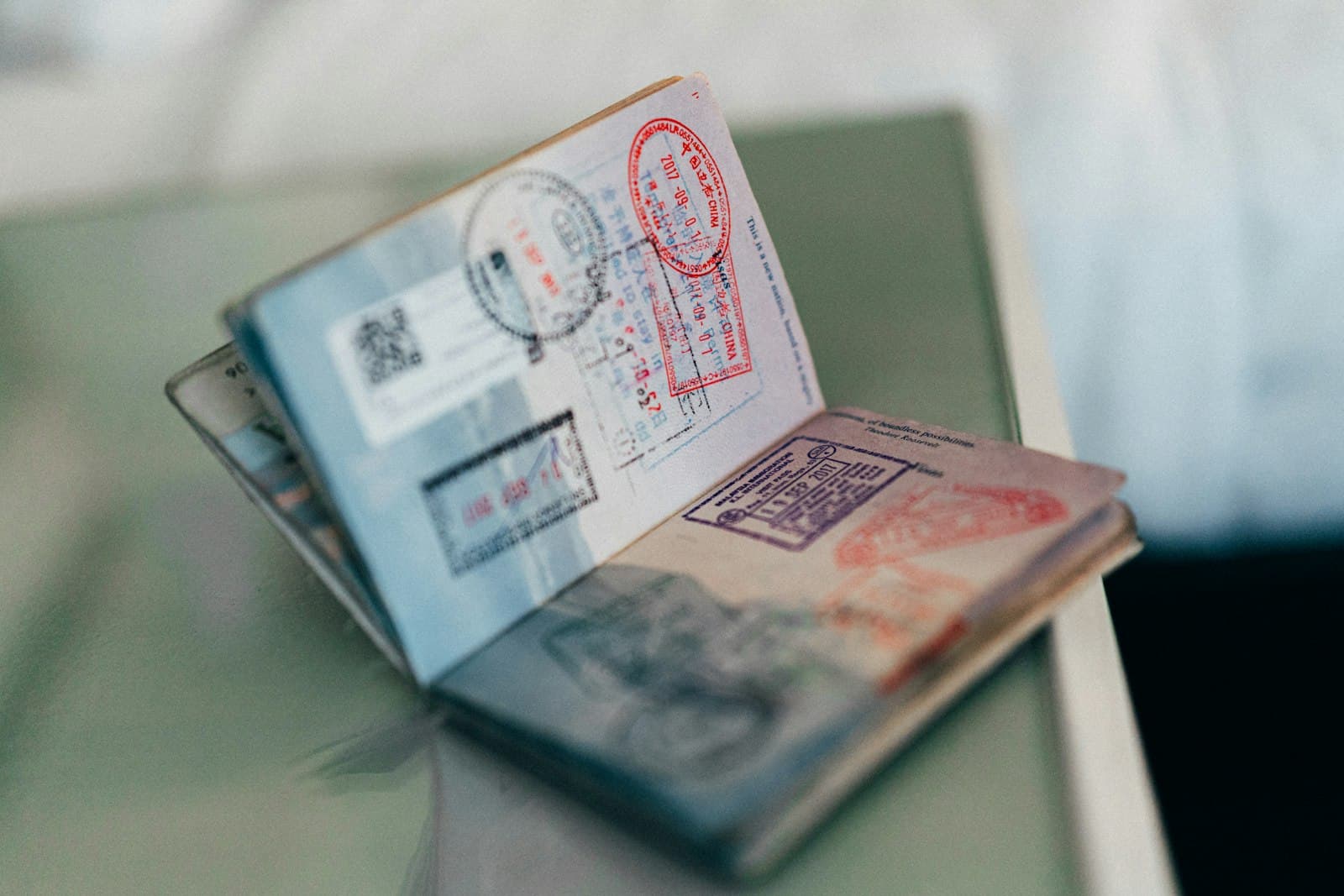
- A valid passport and proof of your legal entry
- A police or criminal record certificate from your home country
- Civil documents such as birth or marriage certificates
- Proof of your purpose of stay and means of support
- A local address in Bolivia
Foreign documents take the longest
Documents issued abroad generally need an apostille or legalization, plus a translation into Spanish where applicable. This is where most delays start, because it has to be done in your home country and some certificates expire quickly.
If you are still abroad, ask which documents you need before you travel. Getting them later, from Bolivia, is possible but slower.
Mistakes that slow an application down
- Waiting until your permitted stay is nearly over
- Ordering certificates that expire before the file is filed
- Bringing documents without an apostille
- Choosing a route that does not match your real activity in Bolivia
This article is general information, not legal advice. Immigration requirements change and depend on your case, so confirm them before you act.
Want this checked for your case?